
What Does It Mean for Players and Collectors?
Dean Guitars has been part of heavy metal history for decades, but the company behind the brand is now facing a major financial and legal crossroads.
Armadillo Distribution Enterprises, the Tampa-based parent company of Dean Guitars, has reportedly filed for Chapter 11 bankruptcy protection. Chapter 11 does not mean the company is shutting down immediately. In most cases, it allows a company to keep operating while it reorganizes its debts under court supervision.
But, from what I’ve read, the debts will take quite a bit longer to “reorganize” than the assets.
For guitar players, dealers, and collectors, the bigger story may be the pileup of legal fights surrounding the Dean brand.
Gibson vs. Dean
One major issue has been Dean’s long-running trademark battle with Gibson. Gibson challenged several Dean body shapes, including designs associated with the Dean V, Z, and Gran Sport models. In a 2025 retrial, Gibson won a significant trademark ruling against Armadillo.
That ruling added more pressure to a company already dealing with debt, legal expenses, and uncertainty over some of its best-known guitar designs.
The Dimebag Darrell Dispute
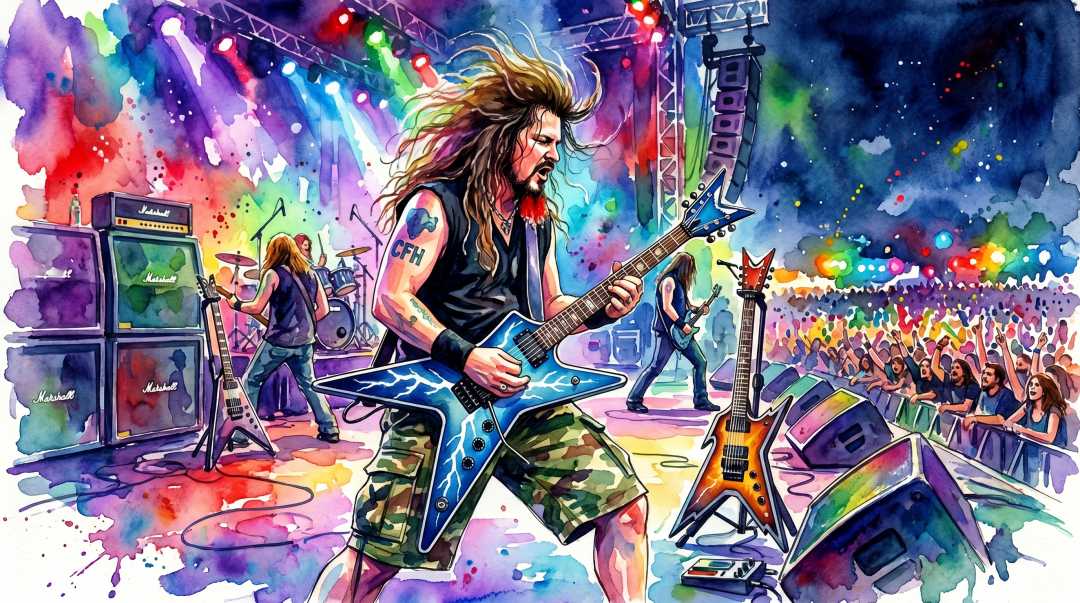
Dean has also been locked in a separate legal fight with the estate of Dimebag Darrell, the late Pantera guitarist whose name and image are deeply tied to Dean’s modern identity.
The dispute centers partly on the Razorback and Stealth guitar designs. Dimebag’s estate, operating through “In Dime We Trust”, argues that Dean should not own or continue producing those designs after the end of its formal relationship with Darrell.
They claim that their agreement states “Dean “shall acquire no rights in the tradenames or designs of Stealth Guitar or Razorback Guitar by virtue of this Agreement, and upon termination of this Agreement shall cease the production of Stealth and Razorback style guitars.”
A recent court ruling dismissed most of the estate’s trademark claims, giving Dean a major legal win for now. However, the estate says it intends to appeal and continue pursuing claims involving Dean’s use of Dimebag-related artwork, name, likeness, and intellectual property.
Why This Matters to Guitar Buyers
Stories like this matter because guitars are not just wood, wire, pickups, and paint. A guitar brand’s value often includes its history, artist relationships, legal rights, and public reputation.
For collectors, legal uncertainty can affect value. If a model is discontinued, restricted, renamed, or tied up in court, used prices can move in unpredictable ways. Some guitars become more desirable because they are no longer made. Others lose appeal if buyers worry about support, authenticity, or replacement parts.
For everyday players, the practical question is simpler: is the guitar good, is it stable, and can it be serviced?
A well-built Dean can still be a great instrument. But if you are buying a used signature model, limited edition, or artist-associated guitar, it is worth paying closer attention to originality, condition, documentation, and whether any parts have been changed.
The Bottom Line
Dean Guitars is not necessarily gone. Chapter 11 is a reorganization process, not the same thing as liquidation. But between the Gibson trademark fight, the Dimebag estate dispute, and the bankruptcy filing, Dean is clearly in a complicated chapter of its history.
For players, this is a reminder to buy guitars for what they are, not just for the logo on the headstock. For collectors, it is a reminder that artist models and signature designs can carry legal and historical baggage along with their musical appeal.
If you own or are considering buying a used Dean, especially a Dimebag-related model, Dean’s future, or non-future, may impact its future value.
